
 4WARN Insights Blog
The Hurricane Preparedness Guide Every Insurer Is Missing
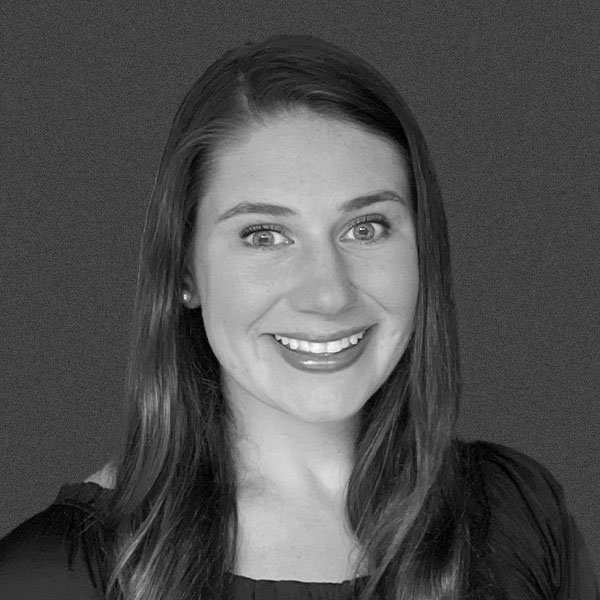
July 22, 2026 | By Lauren Lee, Client Intelligence Manager, 4WARN
10 Digital Checks Before, During, and After a Storm
Every hurricane season, insurers prepare for catastrophic weather events. They review response plans, prep claims teams, and help policyholders get ready for the big storm.
But hurricanes don't just change conditions on the ground. They also change what happens online.
As storms are named and forecast to impact communities, opportunists use search, online advertising, AI-generated answers, and fake websites to mislead policyholders looking for help after a loss.
Most hurricane preparedness guides focus on operational readiness. They completely miss an area of risk that can influence claims, litigation, fraud, and costs long before an adjuster ever visits the property.
These are the 10 digital checks every insurer should add to their hurricane preparedness checklist before the next storm hits.
THE CHECKLIST
BEFORE THE STORM
- Verify your official claims information is easy to find online.
Confirm that your company's claims page, CAT phone numbers, and claims portal are easy to find online, appear prominently in search results, and are current. - Check AI-generated answers.
Ask ChatGPT, Gemini, Google AI Overviews, and other AI tools how to file a claim with your company. Verify that the answers direct policyholders to your official resources. - Search your company name with the storm name.
Search combinations such as Insurer X + Hurricane Erin + claim or Insurer X + Hurricane Erin + damage. Watch for misleading ads, fake websites, incorrect phone numbers, or other digital activity that could mislead policyholders. - Watch for websites that weren't there yesterday.
As storms are named, new websites may appear using insurer names, storm names, and claims-related language (for example, FileHurricaneErinClaim.com or InsurerXStormClaims.com). Ask yourself:- Who created it?
- Why was it created?
- Who is it trying to reach?
DURING THE STORM
- Monitor who is buying visibility.
Track paid search and other online advertising targeting your company, the storm, and catastrophe-related searches. Understand who is trying to intercept policyholders while claims activity is increasing. - Watch for impersonation.
Look for fake claims portals, websites using your branding or logo, misleading landing pages, or other content designed to appear affiliated with your company. - Preserve digital evidence immediately.
Capture screenshots of misleading ads, AI-generated answers, fake websites, and search results before they disappear or change.
AFTER THE STORM
- Watch for the next wave of targeting.
After the storm ends, opportunists often become even more aggressive. Contractors, roofers, public adjusters, law firms and bad faith campaigns increase their efforts to reach policyholders. That’s why it’s important to continue monitoring for weeks and even months after the storm. - Track Frequent Filers.
Pay attention to organizations that repeatedly appear after major storms across multiple markets. Identifying Frequent Filers and recurring digital actors can help uncover broader patterns and emerging risks. - Create one source of truth.
Maintain a shared list of opportunists, fake websites, misleading ads, and other digital activity identified during storm response. Give claims, SIU, legal, CAT, fraud, and communications teams one place to share intelligence and stay aligned.
No insurer can monitor all of this alone.
During a major storm, insurers have enough to worry about. Claims teams are focused on helping policyholders, while new websites, ads, AI-generated answers, and other threats continue to appear.
Most insurers don't have the time, tools, or resources to keep up with everything during a busy CAT event.
4WARN monitors these threats on your behalf to help you respond faster and extend the capabilities of your CAT response team.
About the Author
As Client Intelligence Manager, Lauren specializes in analyzing billions of data points to identify, respond to, and support some of the world's leading organizations against tech-enabled claim instigation.
Before joining 4WARN, Lauren was the Sales Operations Manager at Pivotal Analytics, a healthcare business intelligence company, where she played a key role in driving top-of-the-funnel sales activity. Earlier in her career, she served as Sales Operations Specialist at Geneia, a data science and healthcare analytics company. In this position, she drove outbound sales efforts, supporting healthcare organizations in achieving their value-based care objectives.
Lauren holds a Bachelor of Science in Health Management & Policy from the University of New Hampshire.
Get in Touch with Us Today
Empower your strategy with 4WARN's expertise and steer clear of tech-enabled claim instigation risks.