
 Customer Spotlight

Building a Modern Risk Strategy in Florida’s Evolving Insurance Market
At a Glance
Industry
- Florida Homeowners Insurance
Challenge
- Navigating evolving litigation, TPLF-driven targeting, and online claims activity in Florida
Key Interventions
- Using 4WARN® data insights to identify online targeting and claims trends before escalation
Impact
- Improved visibility into digital risk and stronger awareness of emerging threats
Overview
Mangrove Property Insurance Company was launched to enter a market most carriers had been pulling away from.
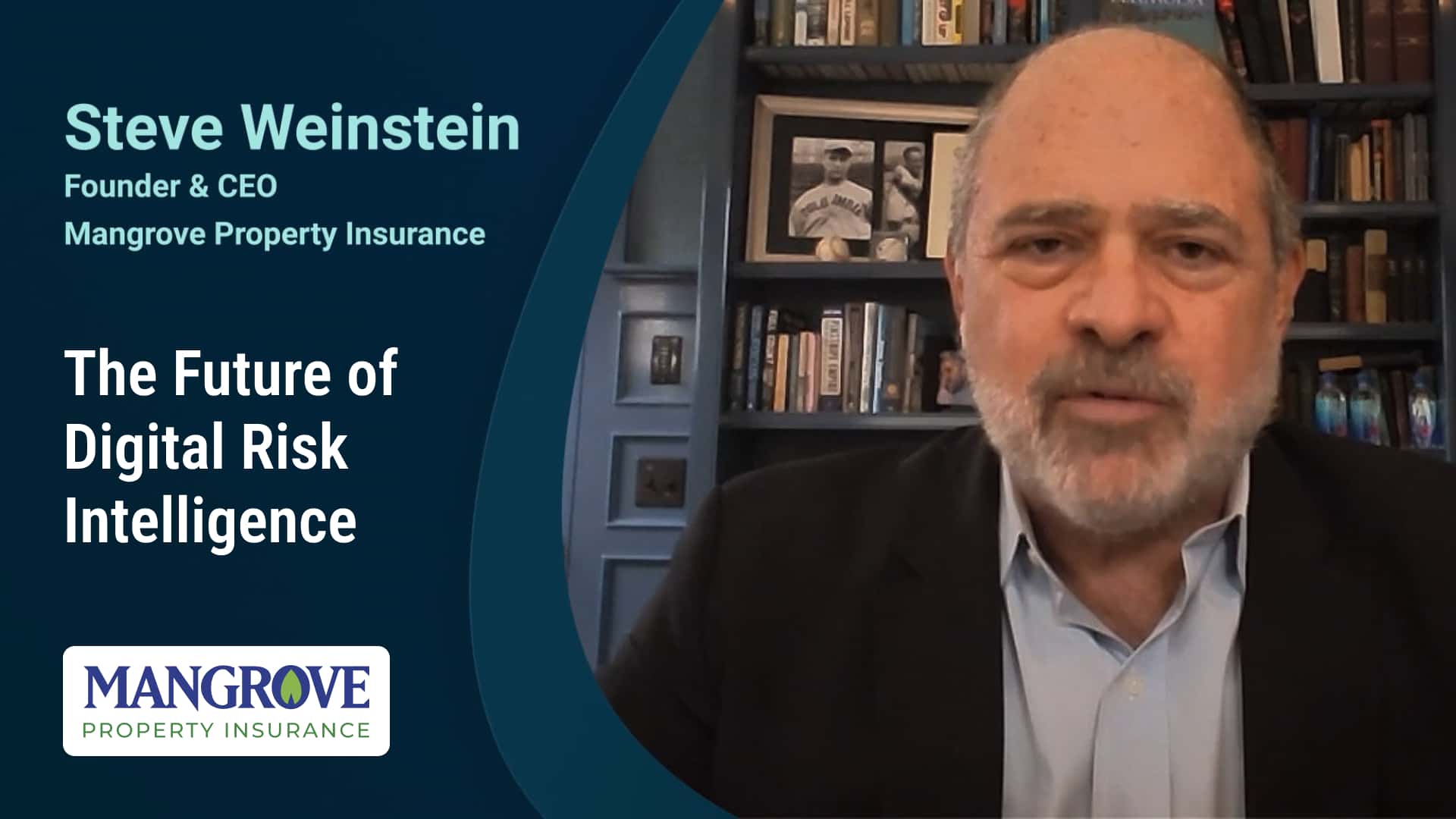
For Founder and CEO Steve Weinstein, that was intentional. After decades in the industry, including time spent on the reinsurance side, he had a clear view of how Florida had evolved and where the opportunities and risks were starting to shift.
For years, insurers had been exiting the state, leaving policyholders with fewer options to secure coverage. At the same time, legislative reforms were beginning to reset the market, creating an opportunity for new carriers to step in with a more sustainable model.
Mangrove was established to help bring stability back into the market and approach risk consistently with how the insurance industry has changed over time.
We can do a better job providing affordable, sustainable coverage for policyholders if we have a clearer understanding of where risk is actually coming from.
- Steve Weinstein, CEO
Mangrove Property Insurance
The Challenge
“I’ve always believed that in Florida we manage two risks.
One is the ongoing risk of extreme weather. That’s not going away. But the other risk we’ve been dealing with for decades is man-made, driven by abusive litigation and claims practices that developed over time,” Weinstein said.
“Florida represents roughly 7% of the nation’s insured homes, yet over the ten years that preceded the reforms represented more than 70% of homeowners litigation. Over that same time, carriers paid out more than $50 billion, with only a small share going directly to policyholders and the majority absorbed by legal and related costs.”*
For years, those dynamics shaped underwriting decisions, pricing, and overall market stability. Carriers exited the state, reinsurers pulled back, and coverage was harder for policyholders to find.
Recent legislative reforms have started to change that pattern, with early signs of stabilization and improving conditions across the market, but Weinstein doesn't believe those changes eliminate the key issue.
“I was a believer in the reforms. But we cannot fully legislate opportunism out of the system.”
Florida Market at a Glance
- Florida is one of the largest markets in the world, representing $33.3 billion of direct premiums written in 2024
- Florida represents roughly 7% of the nation’s insured homes but prior to recent reforms drove a majority of the nation’s homeowners’ litigation
- Longstanding litigation pressure had previously reduced carrier participation and limited options for policyholders
- Between 2020 and 2023, more than a dozen insurers left Florida or went insolvent, driven by soaring litigation and claims costs.
- The Florida Office of Insurance Regulation approved multiple new carriers to write homeowners insurance in 2025, including Mangrove
- Legislative reforms are improving conditions, but underlying behaviors are still evolving
- Digital targeting is influencing policyholders and steering them toward litigation before claims ever reach insurers
A Changing Risk Landscape
Historically, many of these opportunistic behaviors were easy to see. You could find them on billboards, hear them on the radio, or be approached directly by attorneys or contractors in person. The activity was local, visible, and typically followed a storm or major event.
“My mental model was people knocking on doors with clipboards asking you to file a claim, or to assign them your policy benefits. What I hadn’t fully appreciated was how much of this activity had moved online.”
He first became aware of that shift during a 4WARN presentation at a conference. What he realized was that the tactics were the same, but how and when they were being used had changed. They were happening earlier, online, and at a scale that traditional tools and internal fraud alert systems weren’t built to track or identify.
Weinstein knew that if Mangrove was going to succeed in Florida, it needed to understand that activity from the start, not after it showed up in claims or litigation.
We cannot legislate greed and opportunism out of every human heart.
- Steve Weinstein
Florida Share
of the nation's insured homes
Litigation Share
of US homeowners' litigation, pre-reform decade
Carrier Payouts
over ten years, mostly absorbed by legal and related costs
Carrier Exits & Insolvencies
between 2020 and 2023
Data, Analysis, & Guidance
“What I value about 4WARN is not just the data, it’s the guidance that comes with it. It’s practical, it’s specific, and it’s something we can act on."
4WARN gives Mangrove visibility into digital activity shaping claims before they happen, including coordinated online targeting and litigation-related activity that traditional fraud tools were not built to identify.
For Weinstein, the value is not just seeing what is happening. It’s having a partner who can connect that activity to risk and provide clear steps to reduce exposure.
A Different Approach to Risk
Reinsurance also plays a critical role in Florida’s insurance market, and how a company approaches risk directly affects how it is evaluated by capital providers.
“Reinsurers want to know that you understand the full scope of the risk you’re taking on. That includes weather, but it also includes how claims are being generated and influenced.”
“I’m confident 4WARN improves our posture.”
By incorporating this level of visibility and acting on it early, Mangrove is able to show that it’s paying attention to how risk is evolving, not just how it has behaved in the past.
Looking Ahead
Litigation pressure and digital targeting are still influencing how claims form and how policyholders are directed, even as the broader market begins to stabilize. Mangrove’s approach is built around recognizing that reality and preparing for it.
“We can do a better job providing affordable, sustainable coverage for policyholders if we have
a clearer understanding of where risk is actually coming from.”
“Partners like 4WARN are part of that solution. We’ll stay engaged, we’ll keep learning, and we’ll keep adjusting based on what we see,” Weinstein said.
* Source: Florida Office of Insurance Regulation, Property Insurance Stability Report, January 1, 2026.
Digital Risk Protection
You Can Trust
This badge isn’t just a label; it’s proof that Mangrove Property Insurance is 4WARN Verified by taking action, making improvements, and staying ahead of digital threats.
Want to learn how 4WARN helps organizations identify digital threats before claims escalate?
Schedule a customized risk intelligence briefing with our team.